Introduction
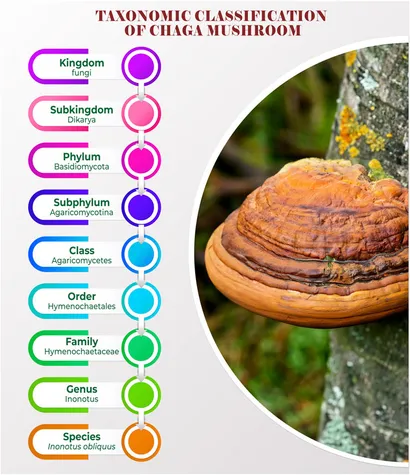
A recent preclinical study suggests Chaga mushroom (Inonotus obliquus) extract could become a natural option for treating atopic dermatitis (AD), commonly known as eczema. Researchers tested an ethanol-extracted by-product (E-CME) and found it reduced inflammation, oxidative stress, and allergy markers in cells and a mouse model. This research highlights Chaga’s potential as an antioxidant and immunomodulator—key qualities for calming itchy, inflamed skin.
What the Study Looked At The research focused on whether E-CME can:
- Neutralize harmful free radicals (antioxidant activity),
- Reduce inflammatory and allergy-related signaling in skin and immune cells,
- Improve symptoms in a mouse model of atopic dermatitis.
How the Tests Were Done
- Lab antioxidant tests: The team used standard assays (DPPH, H2O2 scavenging, metal chelation, FRAP) to measure E-CME’s ability to fight oxidative stress.
- Cell studies: Human keratinocytes (HaCaT) and a mast-cell line (RBL-2H3) were treated with E-CME to assess cytokine release and allergy-related responses.
- Mouse model: BALB/c mice were sensitized to induce AD-like skin inflammation. E-CME was applied topically, and researchers measured skin condition, immune responses, and oxidative stress markers.
Key Findings
- Strong antioxidant activity: E-CME showed notable free-radical scavenging and metal-chelation abilities, suggesting it can protect skin cells from oxidative damage.
- Reduced inflammatory signaling: In treated cell cultures, inflammatory cytokines and allergy-related markers were lowered—indicating dampened immune overreaction.
- Improved AD symptoms in mice: Topical E-CME significantly reduced dermatitis severity and mast cell infiltration. Treated mice showed lower IgE (an allergy antibody) and an increase in IgG2, reflecting a shift toward a less allergic immune profile.
- Healthier immune organs and cells: Spleen and lymph node weights and splenocyte viability improved after E-CME treatment, pointing to systemic immunomodulatory benefits.
Conclusion
Why This Matters for Eczema Atopic dermatitis involves both oxidative stress (cell damage from free radicals) and an overactive immune response that triggers itching, redness, and chronic inflammation. A compound that addresses both—like E-CME, which combines antioxidant and immunomodulatory effects—could offer a two-pronged approach to managing AD symptoms. Natural extracts with these properties are particularly attractive to people seeking complementary or alternative skin-care options.