Lions Mane and family history of dementia & alzheimer’s
Dementia and Alzheimer’s disease are progressive neurological conditions that affect memory, cognition, and daily functioning. For families with a history of these disorders, prevention and symptom management are top priorities. In recent years, Lion’s Mane mushroom (Hericium erinaceus) has gained attention as a natural supplement that may support brain health. But why are so many people turning to this unique mushroom?
How Lion’s Mane Mushroom May Help Brain Health
Lion’s Mane has been used in traditional Chinese medicine for centuries, but modern research is now uncovering its neuroprotective properties. Here’s why it’s becoming a popular supplement for cognitive support:
1. Stimulates Nerve Growth Factor (NGF)
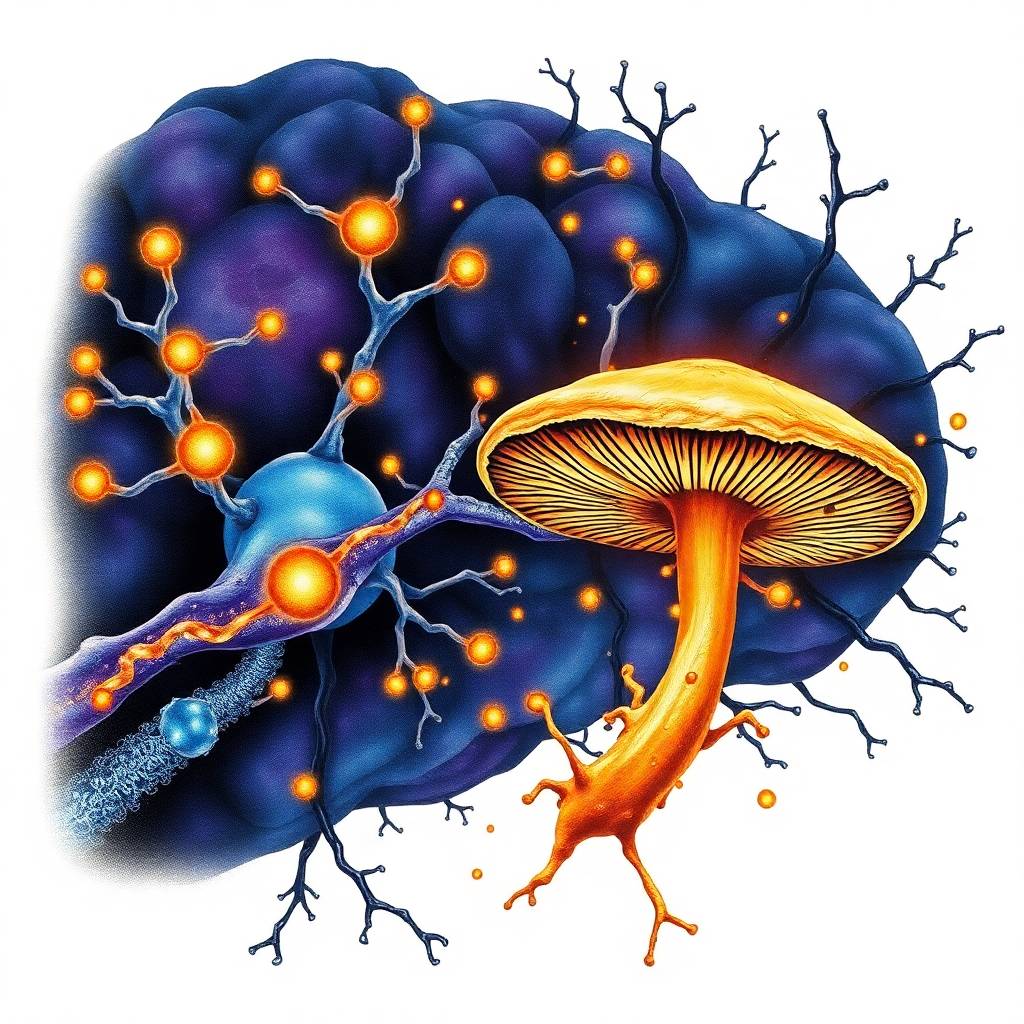
One of the most promising aspects of Lion’s Mane is its ability to boost Nerve Growth Factor (NGF), a protein essential for the growth, maintenance, and repair of neurons.
- Studies suggest that compounds in Lion’s Mane, such as hericenones and erinacines, stimulate NGF production.
- Higher NGF levels may help slow cognitive decline by supporting neuron regeneration, which is crucial for those with Alzheimer’s and dementia.
2. May Reduce Beta-Amyloid Plaque Buildup
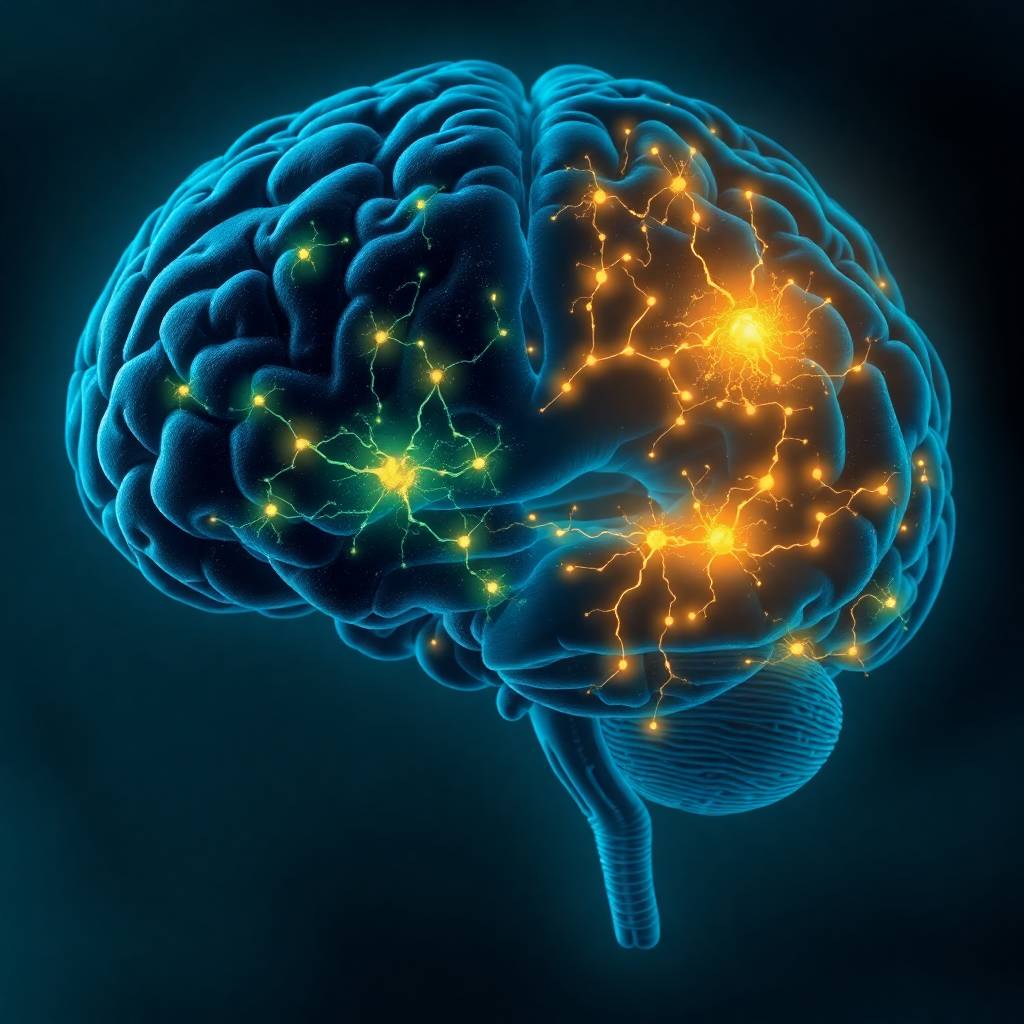
Alzheimer’s disease is associated with the accumulation of beta-amyloid plaques in the brain, which disrupt neural communication.
- Animal studies indicate that Lion’s Mane extract may reduce beta-amyloid plaque formation, potentially slowing disease progression.
- This could explain why some families with a history of Alzheimer’s use it as a preventive measure.
3. Supports Memory and Cognitive Function

Human studies have shown promising results:
- A 2009 study on older adults with mild cognitive impairment found that Lion’s Mane supplementation improved cognitive function over several months.
- Participants showed better memory recall and mental clarity compared to the placebo group.
4. Anti-Inflammatory and Antioxidant Effects
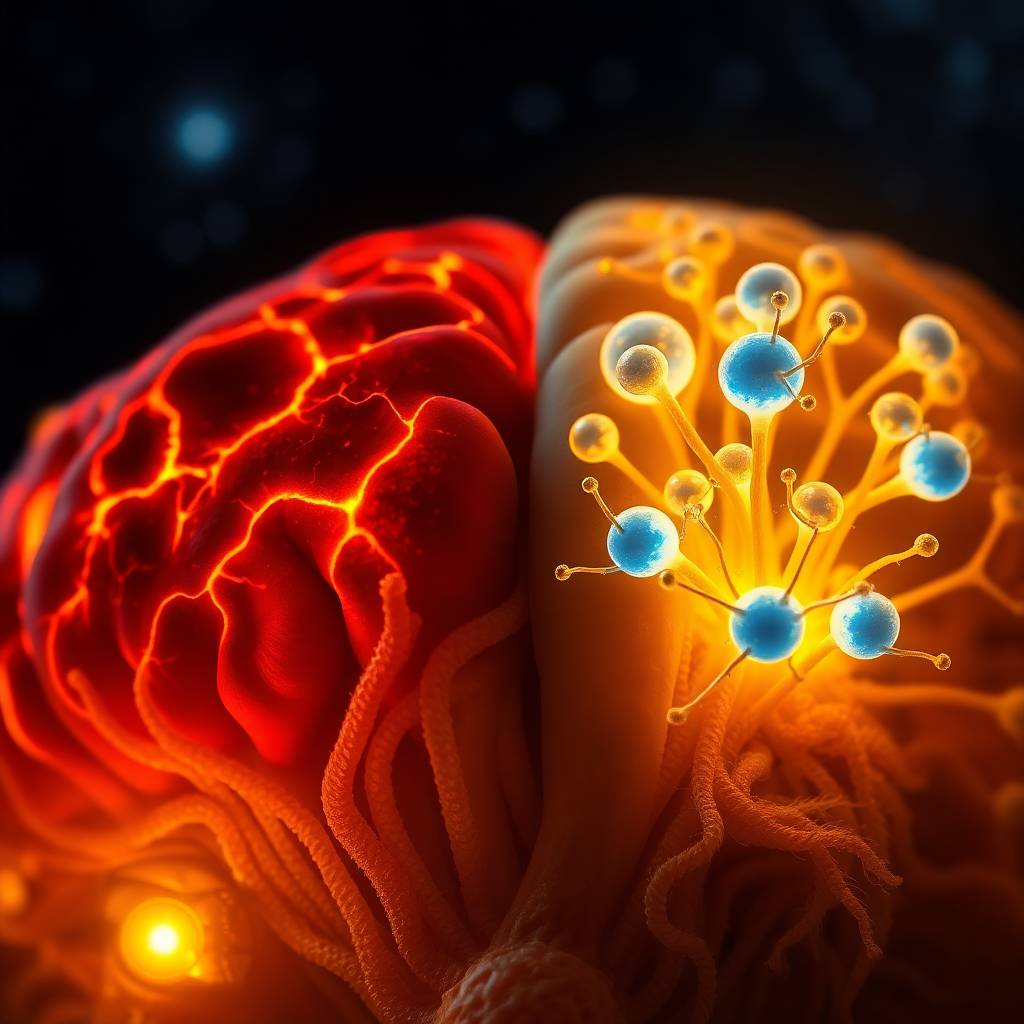
Chronic inflammation and oxidative stress contribute to neurodegeneration.
- Lion’s Mane contains potent antioxidants that protect brain cells from damage.
- Its anti-inflammatory properties may help reduce neuroinflammation, a key factor in dementia progression.
How Families Use Lion’s Mane for Dementia Prevention
Many individuals with a family history of Alzheimer’s or dementia incorporate Lion’s Mane into their daily routine as a preventive measure. Here’s how they typically use it:
- Supplements: Capsules, powders, or tinctures for consistent dosing.
- Teas & Coffees: Blended into beverages for easy consumption.
- Culinary Use: Fresh or dried mushrooms in soups and stir-fries.
Dosage Considerations
While research is still evolving, common dosages range from 500mg to 3000mg per day of standardized extract. It’s best to consult a healthcare provider before starting, especially if taking other medications.
Potential Side Effects and Precautions
Lion’s Mane is generally considered safe, but some people may experience:
- Mild digestive discomfort
- Allergic reactions (rare)
- Interactions with blood-thinning medications
Always start with a low dose to assess tolerance.
Final Thoughts: Is Lion’s Mane Worth Trying?
While Lion’s Mane is not a cure for Alzheimer’s or dementia, emerging research suggests it may support brain health, enhance memory, and protect against neurodegeneration. For families with a genetic risk, it offers a natural, science-backed option to potentially delay cognitive decline.
If you’re considering Lion’s Mane, look for high-quality, organic extracts from reputable brands, and discuss it with a healthcare professional—especially if dementia runs in your family.
Would you try Lion’s Mane for brain health? Share your thoughts in the comments!